


Beautiful and healthy feet are not only eye-catching but are considered key to good health.If any disease of the skin or nail plate occurs, it is worth considering the cause of this condition.Sometimes this occurs due to a lack of vitamins and minerals, poor care, or injury.In these cases, the problem is resolved quickly and does not require serious intervention.But sometimes, foot injuries can be caused by a fungal infection.
how it developed
Foot fungus (mycosis) is an infectious skin lesion.It occurs mainly in parts of the foot that are chronically closed or, on the contrary, open: the interdigital areas, soles and toes.The causative agent of the disease is a pathogenic fungus that lives in the stratum corneum of the skin and leads to the development of chronic inflammatory processes in the skin.Human-to-human transmission occurs primarily in public places, through sharing footwear or household items.In order to spread the infection, the surface in contact must be infected with scales of fungal parasites, which attach to healthy skin and begin to actively multiply and colonize the entire foot surface.During its development, the causative agents of podiatry release waste products that reduce the protective functions of the immune system, against which secondary infectious diseases may develop.
What are the symptoms of foot fungus?
Fungal spores that live on the skin cause the characteristic symptoms of foot fungus - peeling and thickening of the skin.If treatment is not started promptly, the condition can progress to a more severe level, with subsequent erythema and erosion.The sooner you suspect you have foot fungus, the better your chances of getting rid of the condition quickly and effectively.

Typical symptoms of foot fungus are peeling and thickening of the skin.
Symptoms that should not be ignored:
- Cracks on soles of feet;
- itching, dryness, and peeling;
- bad smell;
- Changes in skin and/or nail plate color;
- Thickening, redness, or other changes to the skin surface of the feet or nail plates.
In addition to the main causes of disease, there are also the following predisposing factors:
- Microtrauma;
- Increased sweating on the skin of the feet;
- shoes are uncomfortable;
- diabetes;
- Genetic predisposition.
How to Treat Foot Fungus
Treatment of foot fungus depends on the extent of the damage and the type of causative agent of the disease.The most commonly used topical antifungal drugs (ointments): clotrimazole, mycopeptide, Loteril, etc.
The average course of treatment is selected individually.If you start treatment on time, then after a week of treatment you can completely eliminate foot fungus or minimize its manifestations.In most cases, a comprehensive treatment is required, therefore, in addition to antifungal drugs, they also use antipruritic drugs and oral tablets: fluconazole, griseofulvin, Lamisil, etc.
There is no need to use expensive methods to treat athlete's foot, as long as you have enough money.You can pay attention to the products of domestic pharmacological companies.Such drugs cost less and are as effective as their more expensive analogues.We must not forget that it is necessary to treat the affected surfaces thoroughly.Antibacterial solutions are suitable for this: fucosan and cresol.
Primary treatment is necessary to prevent the disease from developing again.It is important to remember that even if all symptoms are eliminated, you must carefully monitor your overall health and the cleanliness and health of your feet.This means that it is necessary to regularly care for the skin of the feet, shoes and observe preventive measures.
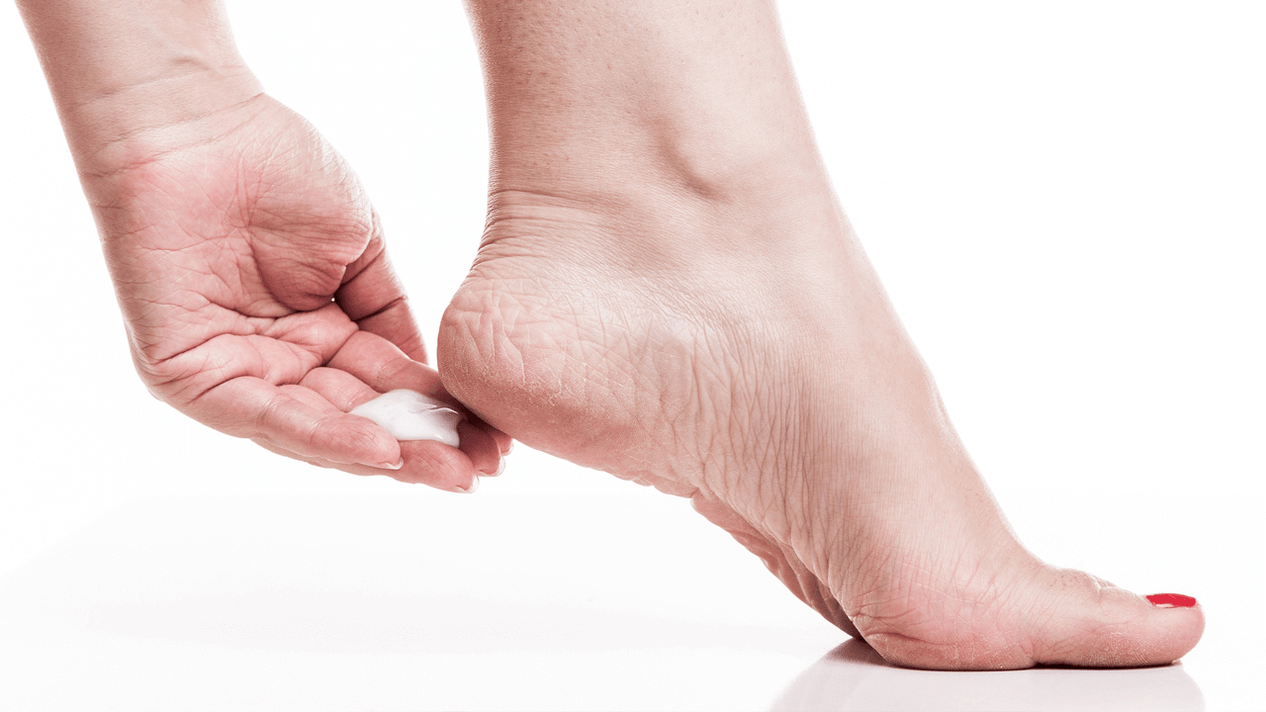
Even if all symptoms resolve, you must carefully monitor your overall health and the cleanliness and health of your feet.
Folk remedies for treating foot fungus
The market of medications for treating foot fungus offers a wide variety of products.But at the same time, traditional medicine also lends itself to traditional therapies.As a rule, the arsenal of this method includes various herbs and decoctions, tinctures and oils prepared on their basis.However, before using any medicine to treat foot fungus, you need to make sure you are not allergic.In the early stages of disease development, in addition to drug treatment or prevention, folk remedies also have good effects.Let's consider one of the most efficient options:
Soda bath.Has antibacterial effect.One liter of water needs to be heated to 40-45 degrees, add a tablespoon of soda water and stir.Stay in this bath for 20-30 minutes.The frequency of this method is 1 to 3 times per day.If foot fungus is associated with severe itching, prepare a soda bath with anti-itching and soothing herbs (such as peppermint, oak bark, calendula).To do this, you must first prepare an herbal infusion, then add soda water.Everything else remains the same.
Prevent foot fungus
In order to completely eliminate foot fungus and never contract the disease again, you must first carefully monitor your shoes.Old shoes may contain fungal scales, which can lead to reinfection.Therefore, throughout the course of treatment and for further prevention, it is necessary to treat shoes with disinfectants: chlorhexidine, miramidine, mold stopper.It is necessary to carefully monitor the cleanliness of feet and nails.Additionally, proper nutrition and keeping your feet and nails clean are equally important.

To completely eliminate foot fungus and never get infected again, you must first carefully monitor your shoes.
The most important thing in treating foot fungus is prompt diagnosis and prompt initiation of treatment.Only in this way will it be possible to respond within a week and completely reduce the risk of illness through appropriate prevention.But practice shows that people often put off seeing a doctor or even refuse to see a specialist.This is fraught with wrong treatment choices, disease progression and transition to severe stages.Therefore, the question "Can tinea pedis be cured in one week?" is difficult to answer.In the initial stages, with the right diagnosis, this is more possible than in advanced forms.
In good health!